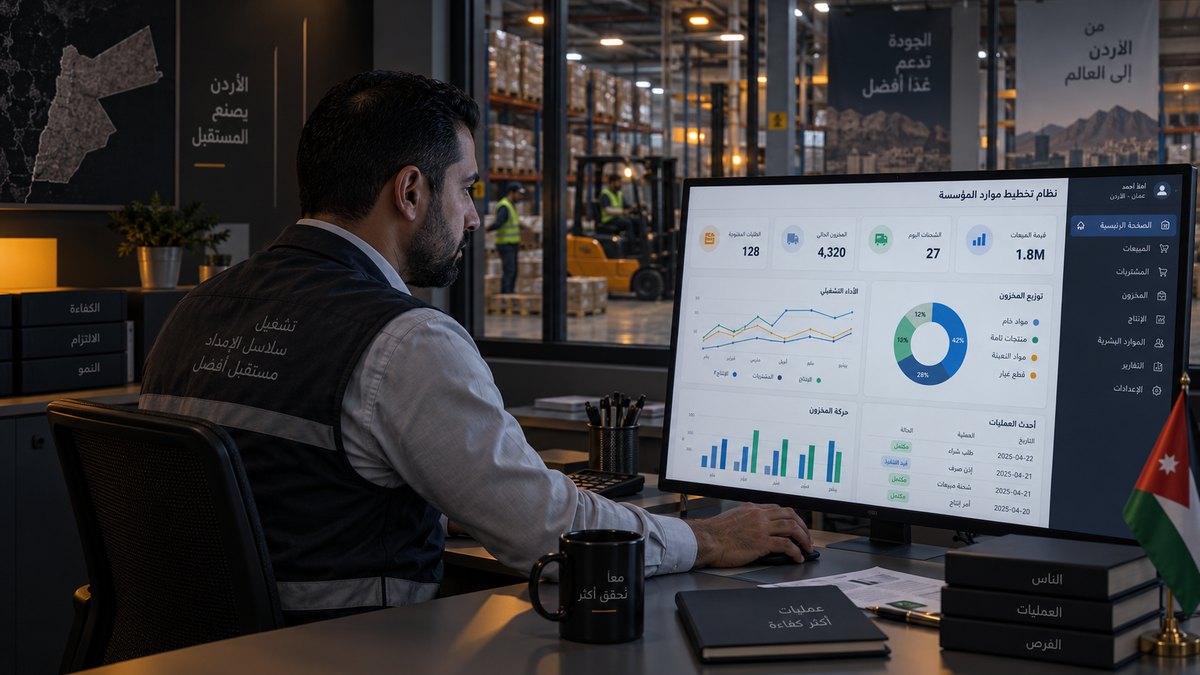
Most digital transformation programmes we are asked to rescue failed in the same way: they began with the most strategically important system, took fourteen months, and lost the organisation's patience before delivering anything anyone could see.
The first project is not a technical decision. It is a political one, and it determines whether there is a budget for the second.
Choose relief, not importance
The instinct is to start with the system that matters most. That system is usually the most complex, the most entangled with others, and the one where failure is most visible.
Start instead with the process that makes someone's week miserable. Something small, contained, and complained about often. When that person tells colleagues their Thursday afternoon has been given back, you have created advocates — and advocates are what fund the next phase.
Four questions for a digital transformation pilot
Can it be finished in eight weeks?
Longer than that and attention drifts, priorities shift, and the sponsor who approved it may have moved on. Eight weeks is roughly the attention span of an organisation for something that is not yet proven.
Does one person feel the pain?
A problem shared across five departments requires five departments to agree. A problem owned by one manager requires one conversation. Start where the ownership is clear.
Is the result countable?
"Better visibility" cannot be defended in a budget meeting. "Approval time fell from three days to four hours" can. Pick something where the before-and-after is a number you can produce without argument.
Does it touch a system you must replace later?
If yes, be careful. Building against something you intend to remove means building twice. Prefer a first project that stands alone.
Four candidates that usually qualify
In Jordanian companies specifically, these come up repeatedly and tend to succeed.
Approvals that live in WhatsApp
Purchase requests, leave applications, expense claims. They work until someone leaves or an auditor asks who authorised what. A simple approval workflow with a record is a two-to-four-week project and the relief is immediate.
Manual re-keying between two systems
Somebody exports from one system and imports into another every week. That is a salary spent on copying, and the errors it introduces are invisible until they are expensive. Often solvable with an integration in weeks.
The report that takes a day to produce
Every company has one — a monthly figure assembled by hand from three sources. Automating it saves days a year and, more importantly, makes the number trustworthy.
JoFotara compliance still done manually
If someone is submitting invoices by hand each month, that is a defined problem with a defined solution and an obvious compliance benefit. It also produces a clean, arguable return.
What to avoid first
- Replacing the ERP. Necessary sometimes, never first. Too long, too visible, too many dependencies.
- Anything requiring a culture change to work. Technology cannot deliver that; it can only follow it.
- A project whose sponsor is leaving. Momentum does not transfer.
- Something that only helps head office. The branches will not defend it when budgets tighten.
Measure before you build
Spend a week recording how the current process actually performs — hours consumed, errors made, days waited. Nobody does this and everybody regrets it, because without a baseline you cannot prove improvement and the project's value becomes a matter of opinion.
The digital transformation sequence that works
- One visible win in eight weeks, with a number attached.
- A second project in the same department, building on the first.
- A third that connects the two, showing the compounding effect.
- Then the strategic system, funded by an organisation that now believes it works.
Digital transformation is not one programme. It is a sequence of small deliveries, each of which earns the right to the next. Companies that treat it as a single large project are the ones we get called about eighteen months later.